
What to Eat in Busan: The Complete Must-Try Food Guide
The complete rundown of Busan's must-try foods — dwaeji-gukbap, milmyeon, eomuk, ssiat hotteok, Jagalchi seafood, street food, and cafes — all in one hub.
It’s not an exaggeration to call Busan a city you travel to for the food. As a port city, fresh seafood is everywhere, and working-class dishes born out of Korean War refugee kitchens — dwaeji-gukbap and milmyeon — have become the city’s signature menu items. This hub guide introduces first-time visitors to Busan’s food scene, with links to dedicated deep-dive guides for each dish.
Our team has lived in Busan for over a decade, and these six dishes are the ones we actually keep coming back to ourselves — not just a list pulled from a search results page. Below, we’ve flagged which ones we order most often and why.
6 Busan Signature Foods
1. Dwaeji-gukbap — Busan’s national dish
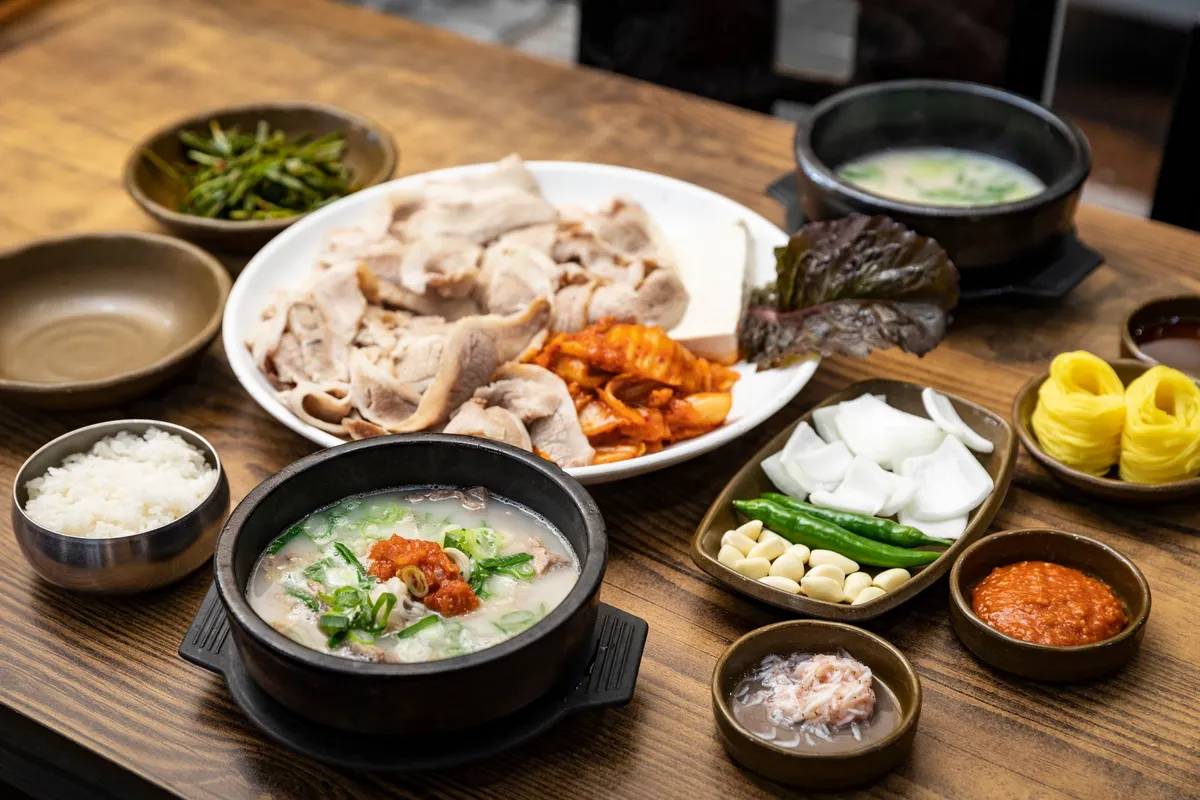
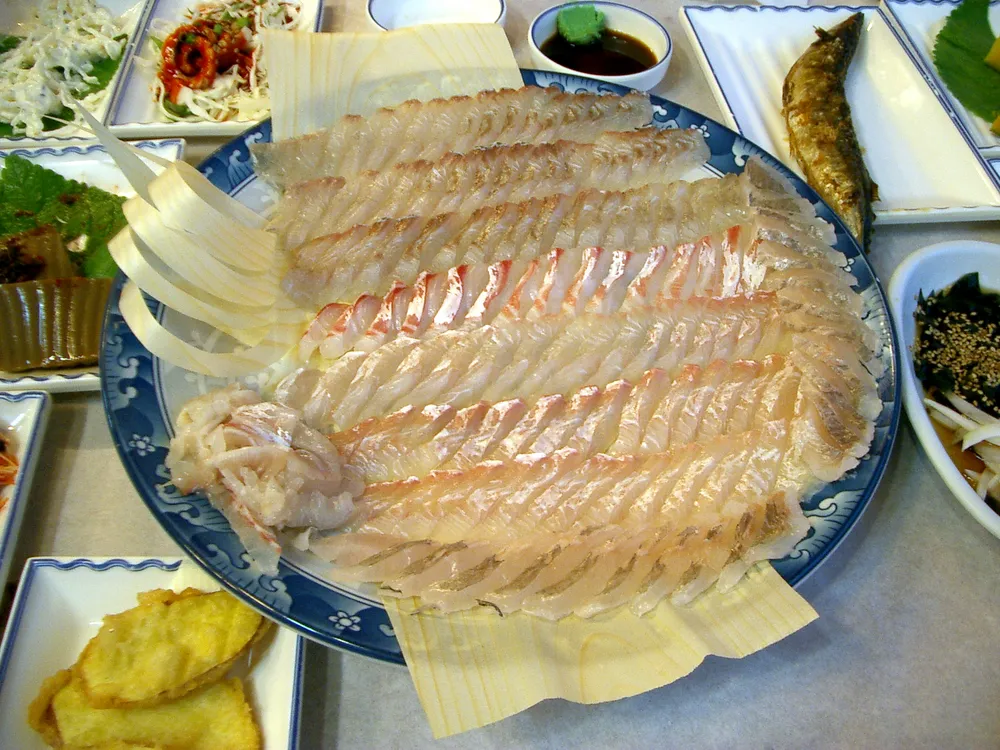
A milky, slow-simmered pork bone and meat soup served over rice — Busan’s most iconic comfort food. Seomyeon even has an informal “Dwaeji-gukbap Alley” packed with specialist restaurants. This is the dish our team orders most on cold or hungover mornings, and it’s usually the first thing we recommend to anyone visiting for the first time. It’s also the No. 1 Busan dish among Taiwanese visitors in the Busan Tourism Organization’s food poll. For restaurant picks and ordering tips, see our complete Dwaeji-gukbap guide.
2. Milmyeon — a summer cold noodle specialty
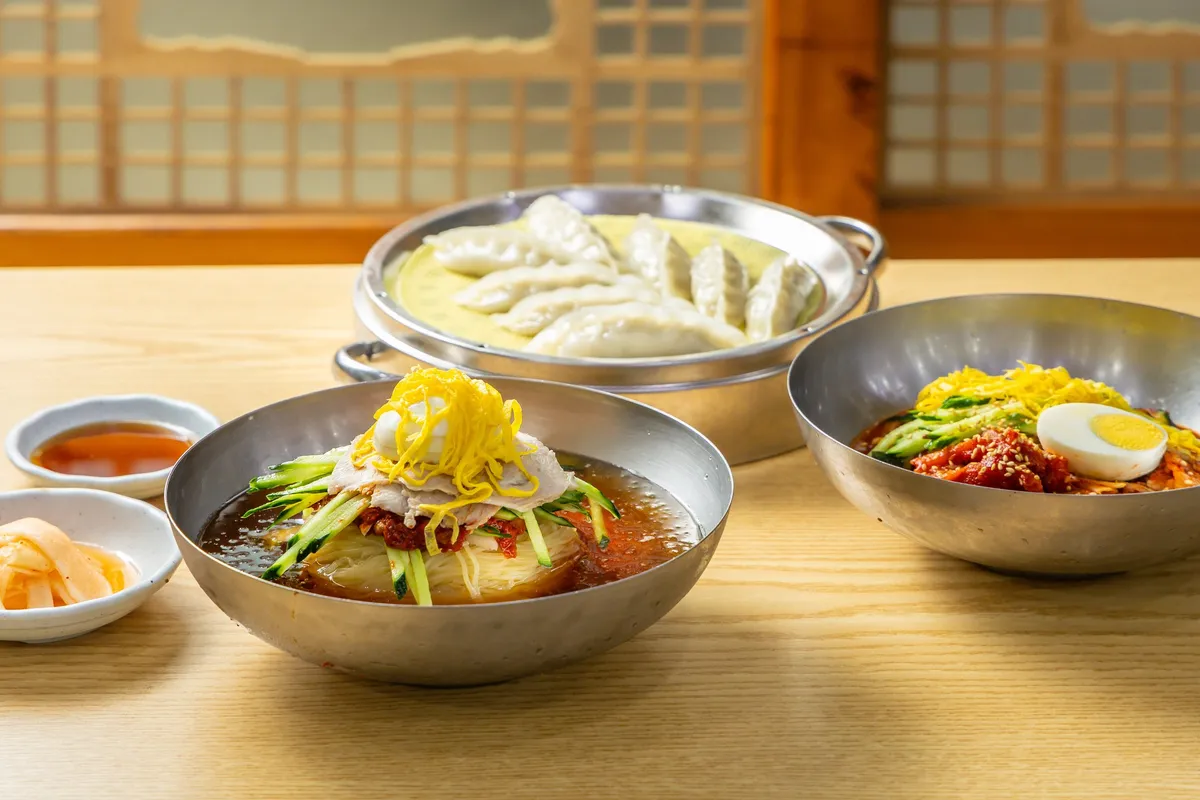
Said to have originated when Korean War refugees in Busan made cold noodles with wheat flour instead of the traditional buckwheat. Known for its tangy-sweet broth and chewy noodles, it’s especially popular during a summer visit.
3. Eomuk — more than just a street snack
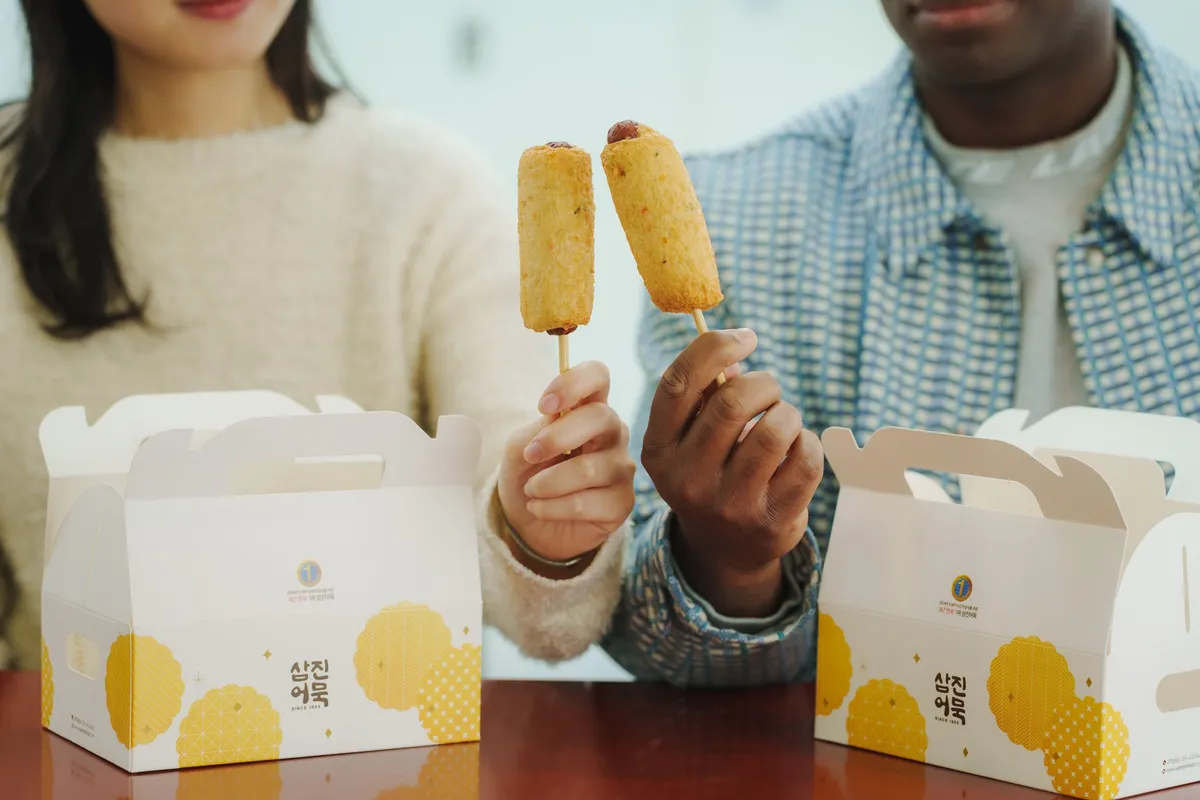
Busan is the birthplace of Korea’s fish cake industry, with fish cake factories and experience centers concentrated in Yeongdo. You’ll find everything from skewered street snacks to premium gift-box sets.
4. Ssiat hotteok — Nampo-dong’s signature snack
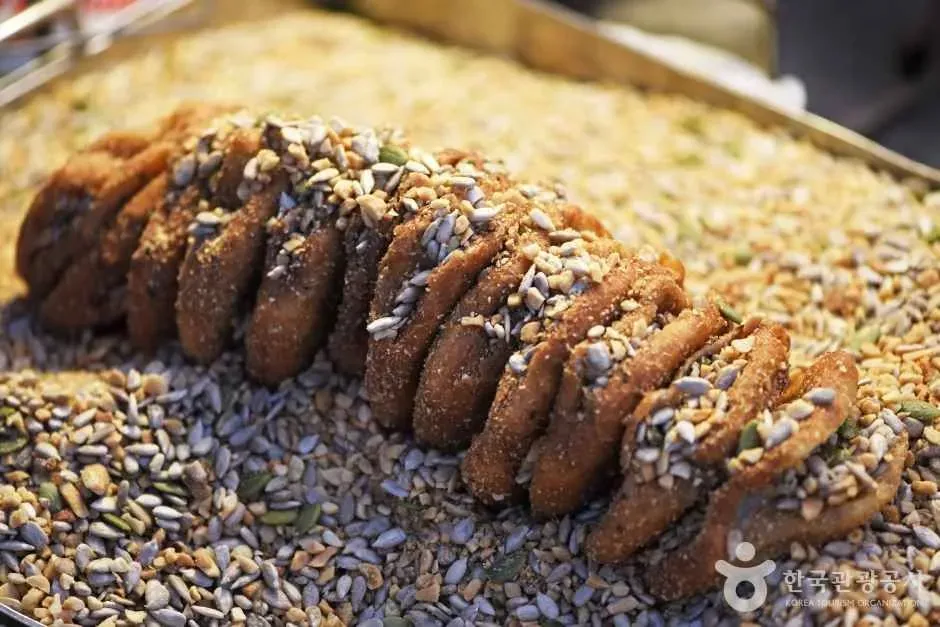
A Busan-style hotteok stuffed with sunflower and pumpkin seeds, best known from BIFF Square in Nampo-dong. The filling comes out molten hot, so locals catch the syrup in a paper cup while eating.
Milmyeon, eomuk, and ssiat hotteok get a deeper dive — origins and where to try them — in our 3 Busan Local Foods guide.
5. Jagalchi seafood — the pride of a port city
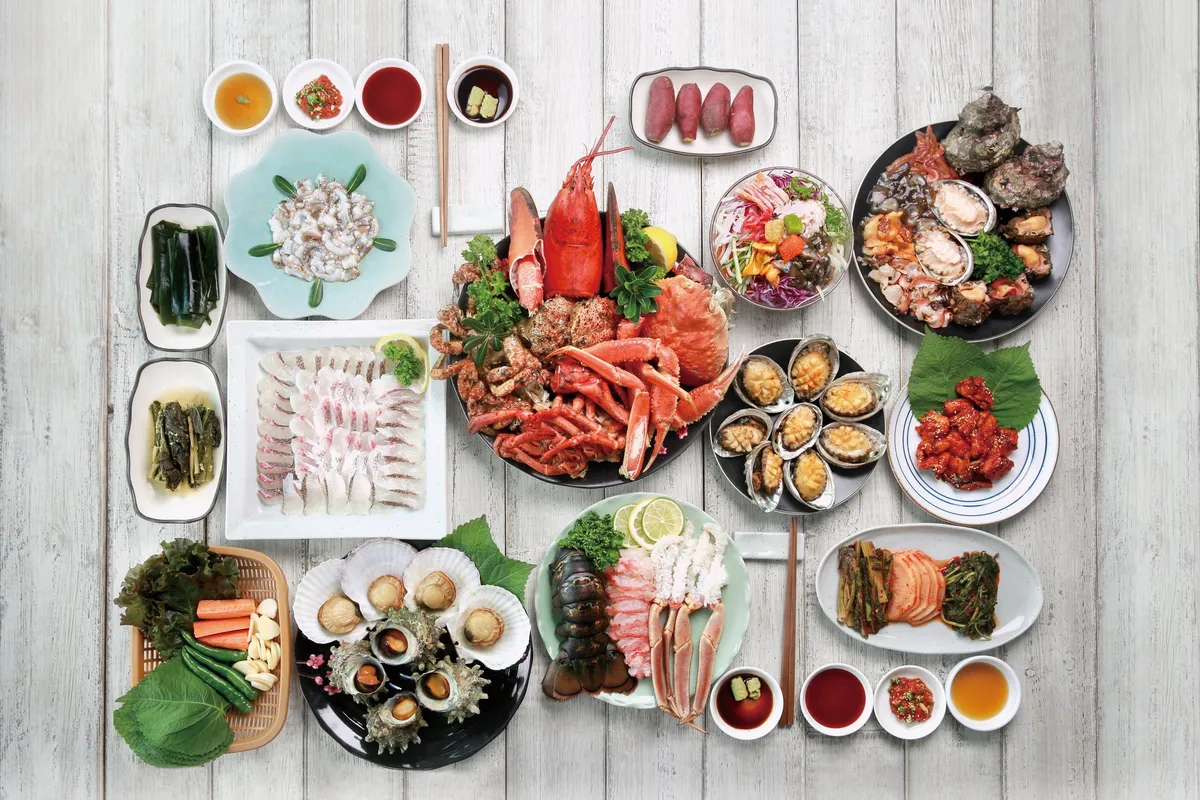
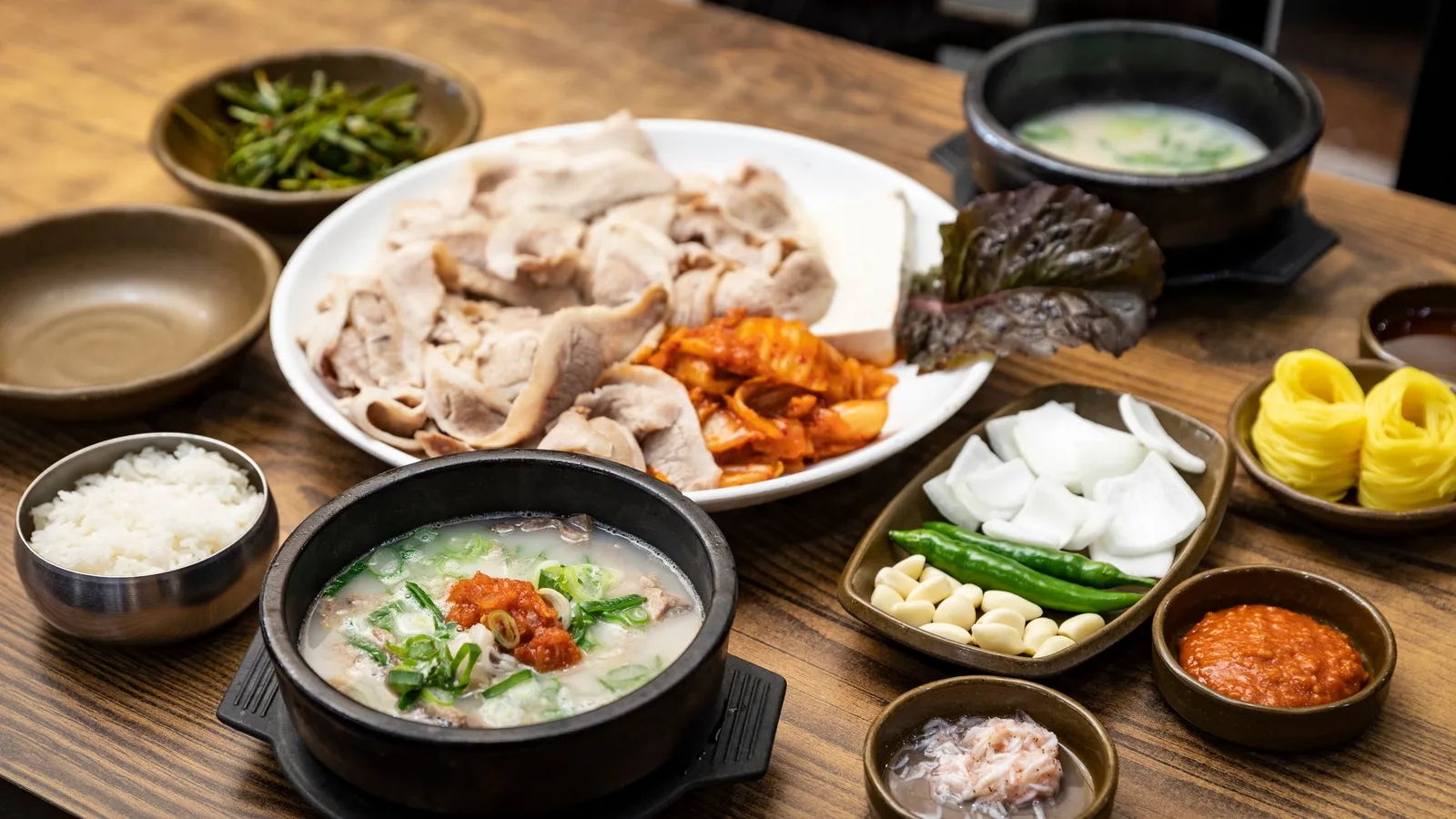
At Korea’s largest seafood market, you can enjoy sliced raw fish, snow crab, and grilled shellfish at market prices. See our full Jagalchi Market & Busan Seafood guide for how to order and what to expect.
6. Street food — snacking your way through the markets
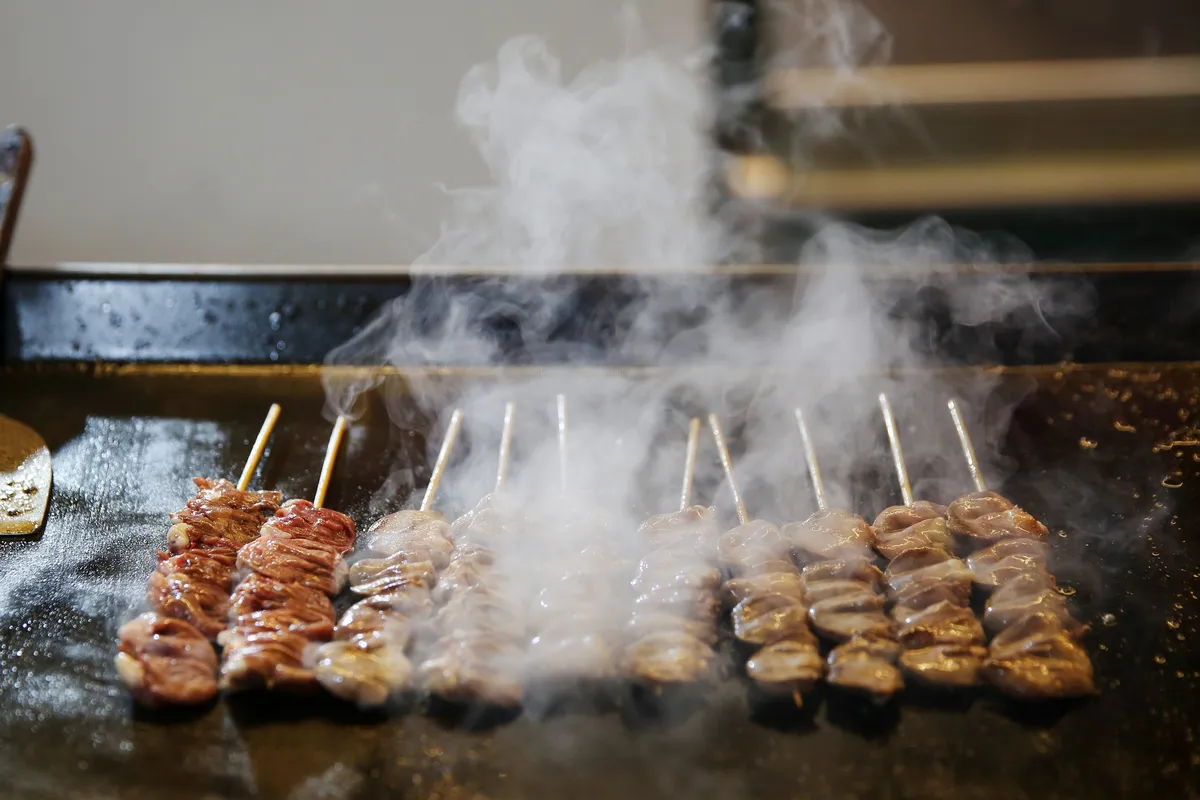
Walking through Gukje Market, Bupyeong Kkangtong Market (night market), and BIFF Square, you’ll run into hotteok, fried tofu pockets, grilled intestines, and all kinds of fried snacks. Our Busan Street Food Guide breaks down what to try at each market.
💡 Paying at markets & stalls: many of the best street-food vendors and older market shops are cash-only or turn away foreign cards. A WOWPASS card lets you load Korean won with your overseas card and pay like a local — and it doubles as a T-money transit card for the subway and buses between food stops.

WOWPASS Korea Multi-Currency Card (with T-money Transit Function)
Load won at airport/city kiosks and pay at cash-only stalls without hunting for an ATM — plus tap onto the subway between markets.
 KKday
KKday Klook
KlookThree more to try: the local deep cuts
Still have room after the big six? These three are locals’ hidden picks — less familiar to Taiwanese travelers, so here’s what to know before you order.
Grilled intestines (gopchang) — soul food for drinking
Beef or pork intestines grilled on a hot plate, rich and fragrant — a classic Korean pairing with soju. You’ll find specialist spots around Seomyeon and Nampo-dong. New for Taiwanese travelers: this is offal, chewy and fatty. If you’re unsure, order a small portion and cut the richness with ssamjang wrap sauce and scallions.
Grilled shellfish (jogae-gui) — a seafood feast by the sea
Clams, scallops and oysters piled onto a hot plate and grilled fresh — Cheongsapo and Gwangalli have whole streets of it, best with a beer on a Busan seaside night. New for Taiwanese travelers: it’s usually sold as a combo platter, most economical for two or more; some places add cheese and corn to the grill, very different from a Taiwanese steamed approach.
Cod soup (daegutang) — a clean hangover cure
A clear broth simmered from fresh cod with a touch of chili powder — light, not fishy, and a classic Korean hangover dish. Gadeokdo and Haeundae have well-known spots. New for Taiwanese travelers: it leans clean and mild, not the fiery red Korean soup you might expect — the point is the sweetness of the fish and the clarity of the broth.
Don’t skip the cafes
Busan is unusually rich in ocean-view and hip local cafes. Check out our Best Cafes in Busan guide for spots like Jeonpo Cafe Street, Cheongsapo, and F1963.
For vegetarian & halal travelers
Curious about spice levels and cooking methods? See our Halal & Vegetarian Food in Busan guide — options are steadily growing, especially around Seomyeon and Kyungsung University.
Want it organized by neighborhood?
We’ve put together a dedicated guide for each major district, built from the Busan city government’s official Taste of Busan 2026 certified-restaurant list — pick by where you’re staying or your route:
- Seomyeon food guide: 60-year milmyeon institutions to the Jeonpo Cafe Street’s global eats
- Haeundae food map: a 50-year pufferfish-soup shop to Michelin-level French dining
- Nampo-dong & Jagalchi food alleys: 80-year old-timers in Busan’s original downtown
- Gwangalli food list: Korean beef, sashimi and hand-cut noodles with a bridge-view backdrop
- Yeongdo food walk: the other side of “coffee island” — a 55-year pork-soup shop and market classics
For a cross-district overview, our Haeundae/Seomyeon/Nampo food guide breaks down neighborhood picks and routes. To build a full itinerary around it, our 3-night, 4-day classic Busan itinerary makes a solid framework.
A few more themes to branch into: a late-evening supper at Bupyeong Kkangtong Night Market, coffee and a stroll on Jeonpo Cafe Street, or seafood and sea views northeast at Gijang coast food. To see what fellow travelers eat and do, read where Taiwanese travelers go in Busan.
📌 One last thing before you book: before booking flights, hotels, or tour tickets, check our latest discount codes for anything you can use.
Some links in this article are affiliate links. If you complete a booking through them, we may earn a commission at no extra cost to you. See our affiliate disclosure for details.
Frequently Asked Questions
How is Busan's food different from Seoul's?
As a port city, Busan leans heavily on seafood, and hearty, working-class soup dishes like dwaeji-gukbap and milmyeon trace back to the Korean War refugee era. Many travelers find Busan food saltier and spicier than Seoul's, so if it's your first time, start with the milder options.
Can I find vegetarian or halal food in Busan?
Yes. Halal-certified restaurants and vegetarian-friendly options are growing, especially around Seomyeon and Kyungsung University. See our dedicated halal & vegetarian guide for details.
I want to try several dishes in one day — how should I plan my route?
A solid route: start with dwaeji-gukbap in Seomyeon for breakfast, move to Nampo-dong for Jagalchi seafood and ssiat hotteok, then wind down with a scenic cafe in the evening. See our Haeundae/Seomyeon/Nampo food guide for neighborhood-specific picks.
💰 Check before you book
Before you go, check the latest KKday discount codes — one code can shave a meaningful amount off your booking.
See the latest discount codes →💡 Some links on this page are affiliate links. If you complete a booking through them, we may earn a commission at no extra cost to you. Affiliate Disclosure