
Busan Transportation Card Guide: T-money, WOWPASS & Cashbee Compared
A breakdown of T-money, WOWPASS, Cashbee, and the Visit Busan Pass — what each does, where to buy and top up, and which one fits your trip.
Comparing Your Options
- 1
Learn the difference between the card types
T-money, WOWPASS, and Cashbee all work the same way on the subway and buses. The real differences are where you can buy them, whether you can top up with foreign currency, and how easy a refund is at the end of your trip.
- 2
Pick the right card and load it
For a short trip, a cash-loaded T-money or Cashbee card is simple enough. If you'd rather skip a currency exchange counter or plan to top up more than once, the multi-function WOWPASS is usually less hassle.
- 3
Tap to ride, then settle the balance before you leave
Tap on and off for every ride, and transfers on the same card get a discount. If you still have a balance when you're leaving Busan, most cards can be refunded at a convenience store or dedicated kiosk (usually for a small fee).
In Busan, a single transit card lets you tap onto nearly every subway line and bus route instead of queueing for single tickets and digging for exact change. The catch is that there’s more than one card to choose from, and each has its own way of being purchased, topped up, and refunded. Knowing the differences before you land saves you from figuring it out on the fly.
Transit cards at a glance
| Card | What it does | Card cost (approx.) | Where to buy | Refunds |
|---|---|---|---|---|
| T-money | Subway, buses, small purchases at some convenience stores | ~US$2–4 (card only; top-up separate) | Convenience stores (GS25, CU, etc.), subway stations | At convenience stores, minus a small fee |
| WOWPASS | Transit card + currency exchange + prepaid card | ~US$4 (card only) | Dedicated WOWPASS kiosks at the airport and around the city | Cash refund at the kiosk, minus a small fee |
| Cashbee | Subway, buses — a long-established local option in Busan | ~US$2–4 (card only; top-up separate) | Convenience stores, subway stations | At convenience stores, minus a small fee |
| Visit Busan Pass | Built-in T-money function + discounts at 40+ attractions | Varies by time-based or visit-count plan | Booked online via KKday or Klook | Not applicable (bundled pass) |
| NAMANE Card | Transit card + prepaid card, with in-app transfers between balances | ~US$5 | Select partner bank locations | Depends on the issuing bank |
Actual costs shift a little with exchange rates and ongoing promotions, so treat the numbers above as rough budgeting only. Whichever card you pick, tapping in and out works the same way across subway, bus, and taxi. What really shapes the experience is how easy the card is to top up, and how much hassle it is to deal with a leftover balance before you fly out.
The easiest option for international travelers: WOWPASS
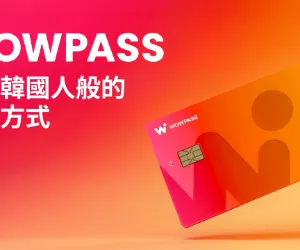
If you’d rather not track down a currency exchange counter in the city, or don’t want to think too hard about how to spend down leftover cash, WOWPASS is usually the least fussy pick. It combines a transit card, currency exchange, and a prepaid card in one — feed foreign cash into the kiosk and it converts straight to Korean won and loads onto the card. The kiosk interface supports multiple languages.
How to top up and use it:
- At an airport arrival hall or a city WOWPASS kiosk, scan your passport to register the card.
- Insert foreign cash into the kiosk to exchange it, and the amount loads directly onto the card (you can also top up by credit card through the app).
- Tap the card for subway, bus, and taxi rides, or for small purchases at convenience stores.
- Before leaving Busan, any remaining balance can be cashed out directly at a WOWPASS kiosk (usually for a fee of around US$1).
💡 Note: the transit balance and the prepaid-card balance on a WOWPASS are two separate accounts, so double-check which one you’re loading when you top up.
WOWPASS kiosks are installed at the Gimhae International Airport arrival hall and around the city, and the number of machines has kept growing through 2026, so finding one usually isn’t difficult. You can also pick up a WOWPASS at a CU convenience store and activate it the moment you land if you’d rather sort it out before reaching a kiosk.
Another option for iPhone users: Apple Pay transit card
If your iPhone or Apple Watch supports Korea’s mobile transit card feature, downloading the local transit app and setting it up lets you tap in with your phone or watch — no physical card needed. The catch is that compatibility depends on your device’s region settings, and not every foreign-issued card successfully loads funds online, so whether this actually works for you depends on your device model and card issuer. It’s worth setting up and testing before you leave home.
Is the Visit Busan Pass worth adding?
The Visit Busan Pass is a Busan-specific bundle that includes a built-in T-money transit function along with free entry or discounts at 40-plus attractions — things like the Songdo Sky Capsule, Songdo Cable Car, and jjimjilbang saunas. It comes in a time-based version (24 or 48 hours) and a visit-count version covering a set number of attractions.
The math for whether it’s worth it is simple: add up the entry fees for the paid attractions you’ll actually visit, then compare that total to the pass price. If you’ll hit three or more paid attractions over a few days, the pass is usually cheaper than buying tickets separately, and it also saves you from queueing at the ticket counter. You can book it online through KKday and just have the QR code ready on your phone.
Busan subway basics
Busan’s subway runs Lines 1 through 4, plus the Donghae Line and the Busan-Gimhae Light Rail, with a base fare starting around US$1. Tapping a transit card is cheaper than paying cash for a single-journey ticket. Transfer between bus and subway on the same card within the time window and you won’t be charged the base fare twice — only the distance-based difference. For a fuller breakdown of the lines and how to transfer between them, see our Busan subway and bus guide.
FAQ
What if I still have a balance left over? Most transit cards can be refunded at a convenience store or dedicated kiosk, minus a flat fee. If the balance is small, plenty of travelers just keep the card as a souvenir — or reuse it on their next trip to Busan.
What if I forget to bring a card? Convenience stores sell new cards on the spot and can load a balance immediately, so it won’t slow your day down much.
Can multiple people share one card? It’s not recommended. Most transfer discounts are calculated from a single card’s ride history, so sharing one card among several people can break the transfer discount or cause issues if you’re asked to show it.
📌 Before you go, check our latest discount codes for KKday and Klook — the Visit Busan Pass and other tickets can often be picked up for a bit less.
Airport Pickup Services
WOWPASS (transit card + currency exchange)
One card with a T-money transit function, on-the-spot currency exchange, and a prepaid card. Feed foreign cash into an airport or city kiosk and it loads Korean won straight onto the card — no exchange counter needed.
Visit Busan Pass (built-in T-money + attraction discounts)
It's a T-money card itself — tap on any subway or bus — and bundles free or discounted entry to 40+ attractions. Best value if you'll hit several paid sights.
💰 Check before you book
Before you go, check the latest KKday discount codes — one code can shave a meaningful amount off your booking.
See the latest discount codes →💡 Some links on this page are affiliate links. If you complete a booking through them, we may earn a commission at no extra cost to you. Affiliate Disclosure