
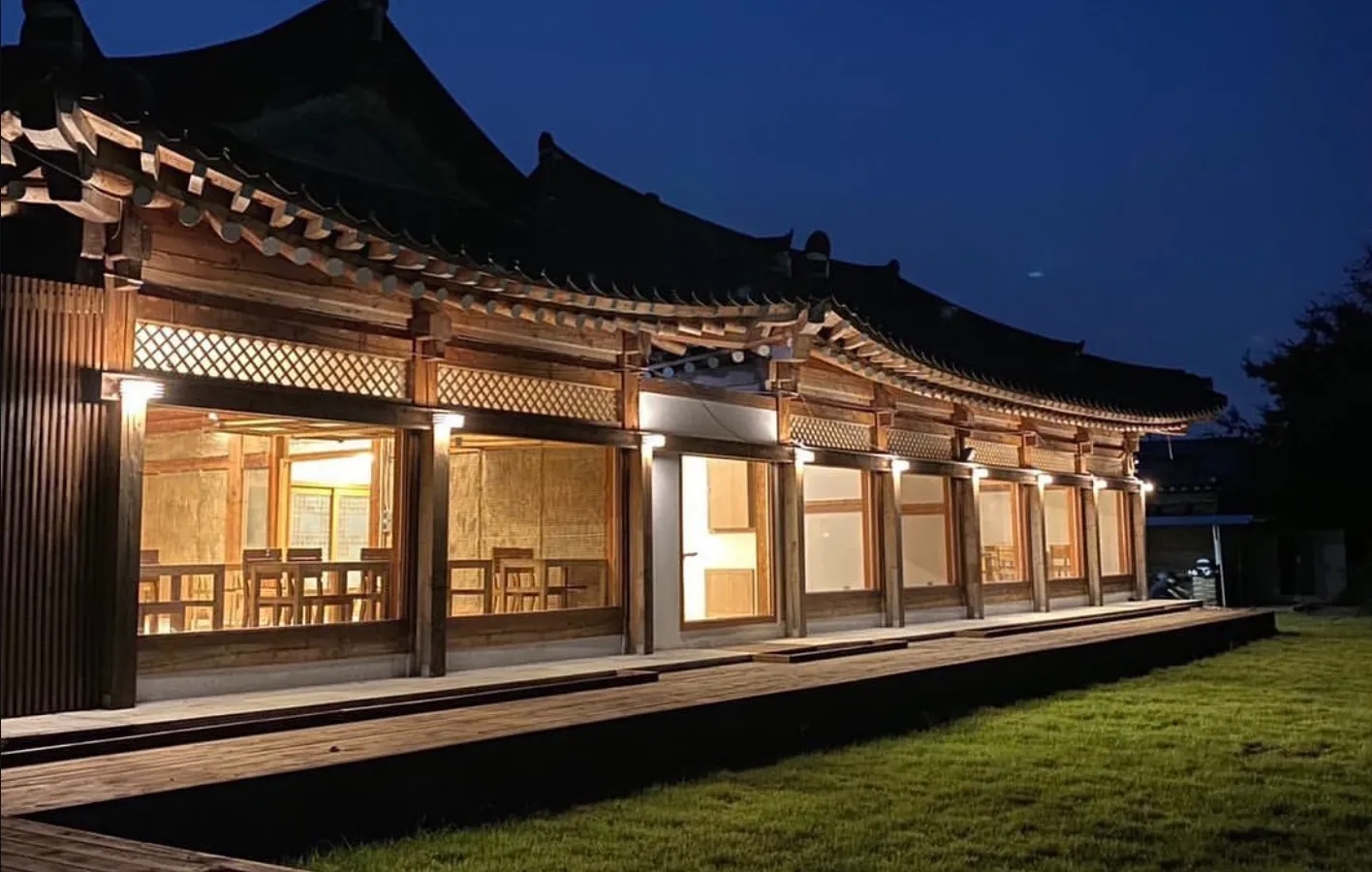
9 Historic Cafés in Busan: From Hanok Houses to Colonial-Era Buildings
A guide to 9 hanok and colonial-era cafés in Busan — from a riverside estate in Gangseo to walkable spots near Busan Station. Addresses, vibe, and access included.
Beyond the beaches and markets, Busan has a handful of cafés set inside genuinely historic buildings — some traditional Korean hanok, others converted from early 20th-century colonial-era architecture. This guide covers 9 of them, split into the two categories so you know exactly what kind of space you’re walking into.
The 9, at a glance
- A. Traditional hanok cafés (6): Anggo Gotaek, Gojae, Daon Naru, Daegama, Bibibidang, Dosol
- B. Colonial-era building cafés (3): Munhwa Gonggam Sujeong, Brown Hands Baekje, Chorang 1941
A. Traditional Hanok Cafés (6)
Anggo Gotaek (앙로고택)
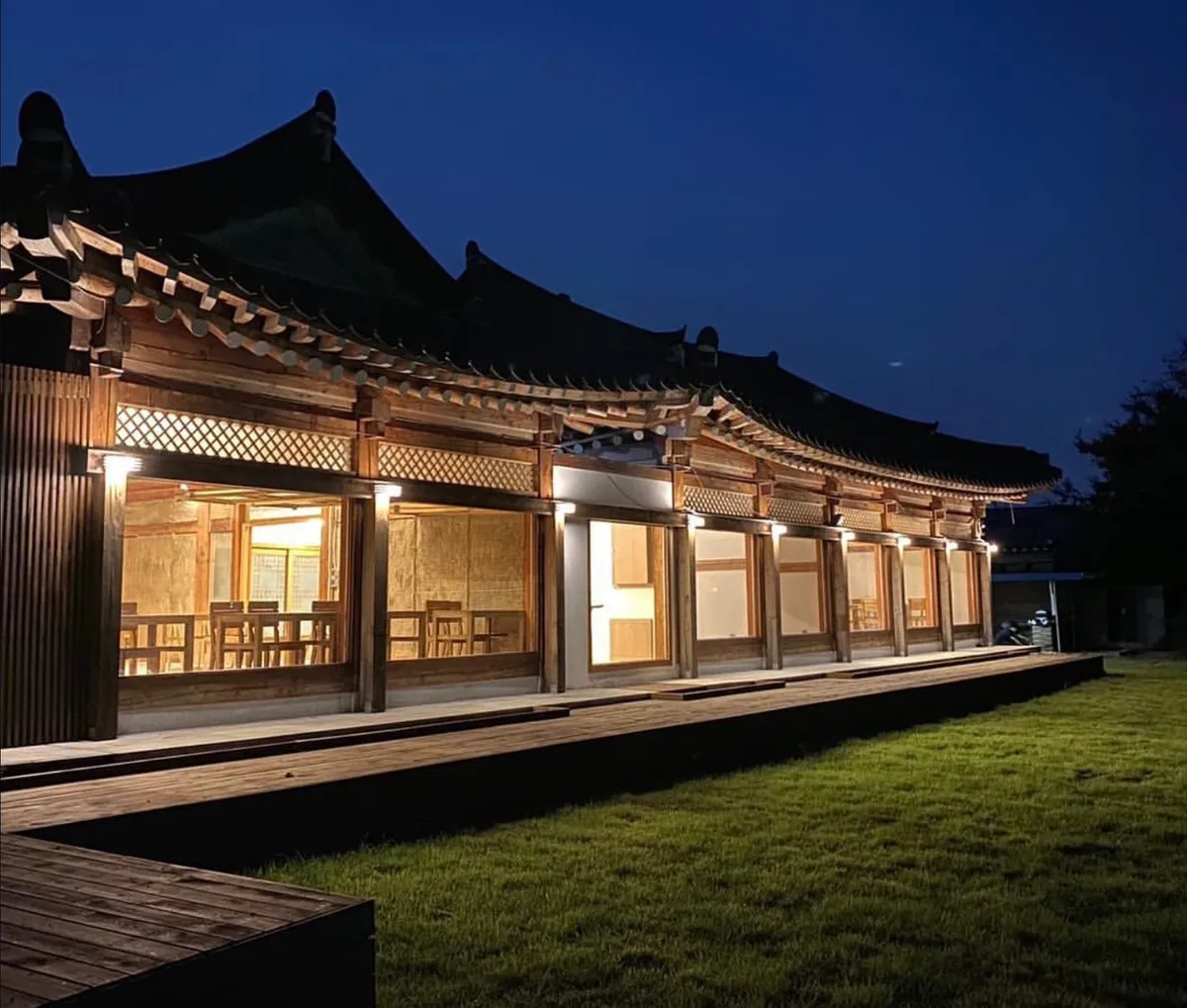
📍 Gangseo-gu: 부산광역시 강서구 식만로 122 — View on map →
Right on the Nakdong River, built by an artisan recognized as a National Living Treasure. It’s one of the largest hanok cafés around, and the riverfront view from the wraparound porch is the main draw. Check Instagram (@angrogotek_____) or Google Maps for current hours before you go.
Good for: travelers who want an open river view and a genuinely grand hanok structure.
Gojae (고재)
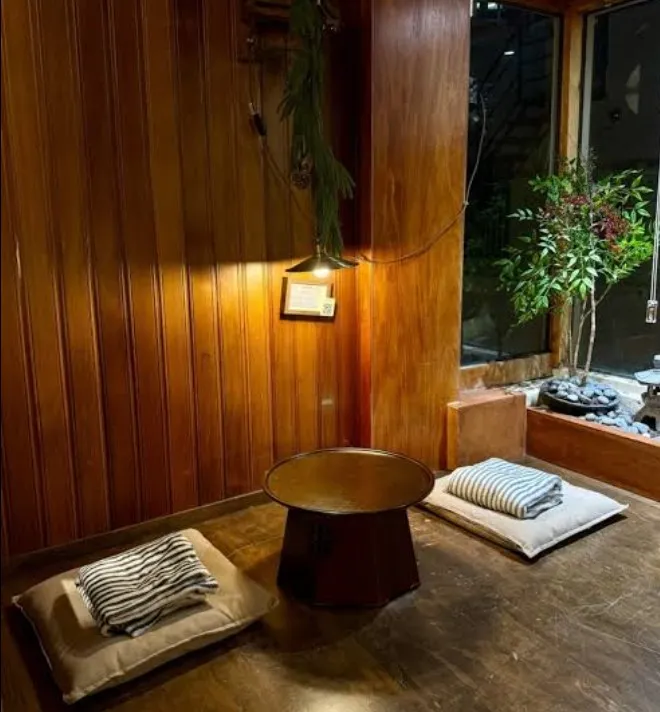
📍 Haeundae-gu: 부산광역시 해운대구 우동1로38번길 14-7 — View on map →
A converted house with floor seating, filled with plants and carefully chosen furniture — leans quiet and East Asian in feel. Since seating is on the floor, it’s worth checking whether that suits you before committing to a long stay. Confirm hours via the café’s own channels.
Good for: travelers looking for a quiet corner with photogenic, understated interiors.
Daon Naru (다온나루)
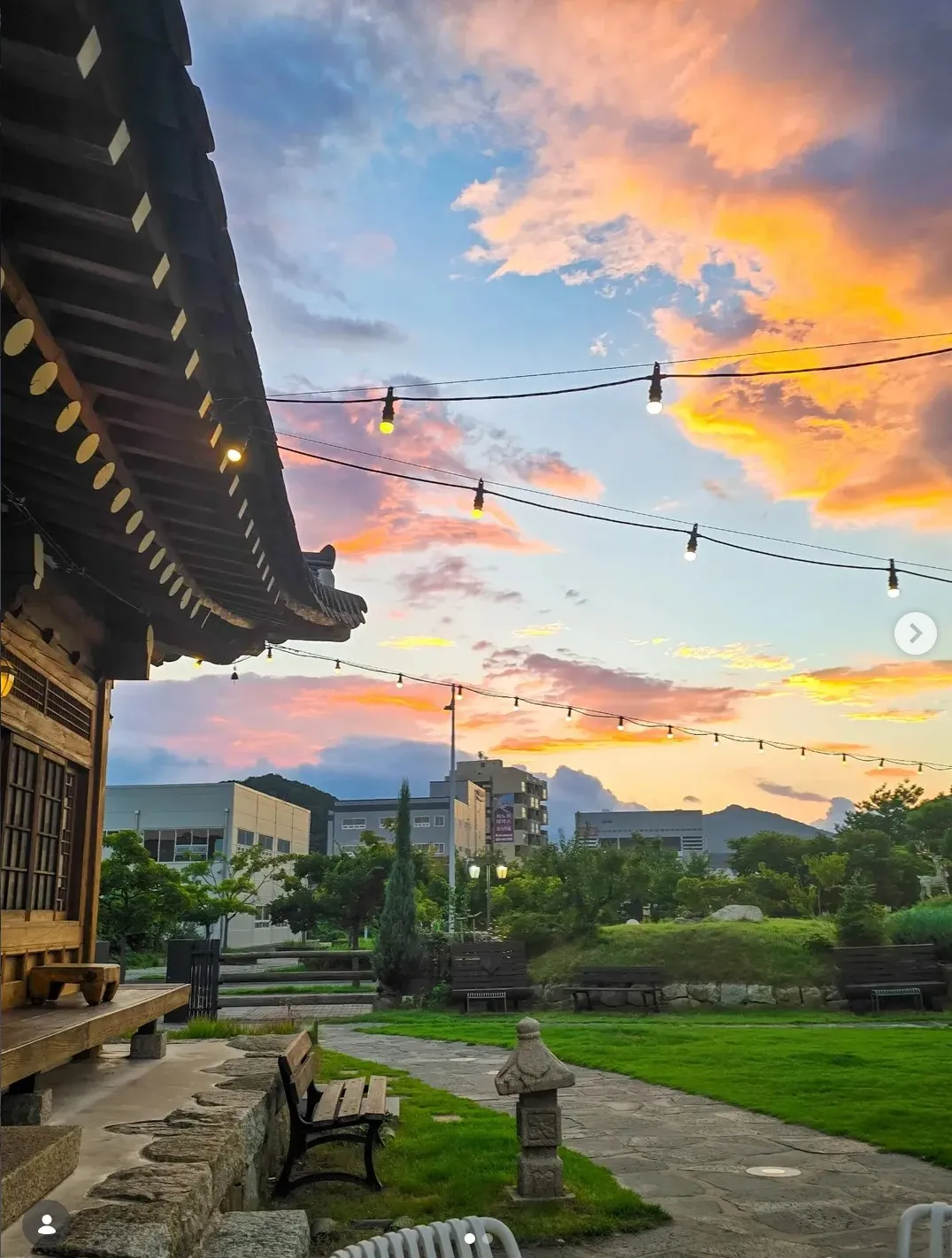
📍 Gangseo-gu: 부산광역시 강서구 범방3로46번길 21 — View on map →
Has a large courtyard with outdoor seating, plus a main building and a separate annex with distinct moods. Good for sitting out in the sun on a clear day, or moving between a few different spaces in one visit.
Good for: travelers who like an outdoor courtyard and want a few different settings in one stop.
Daegama (더가마)
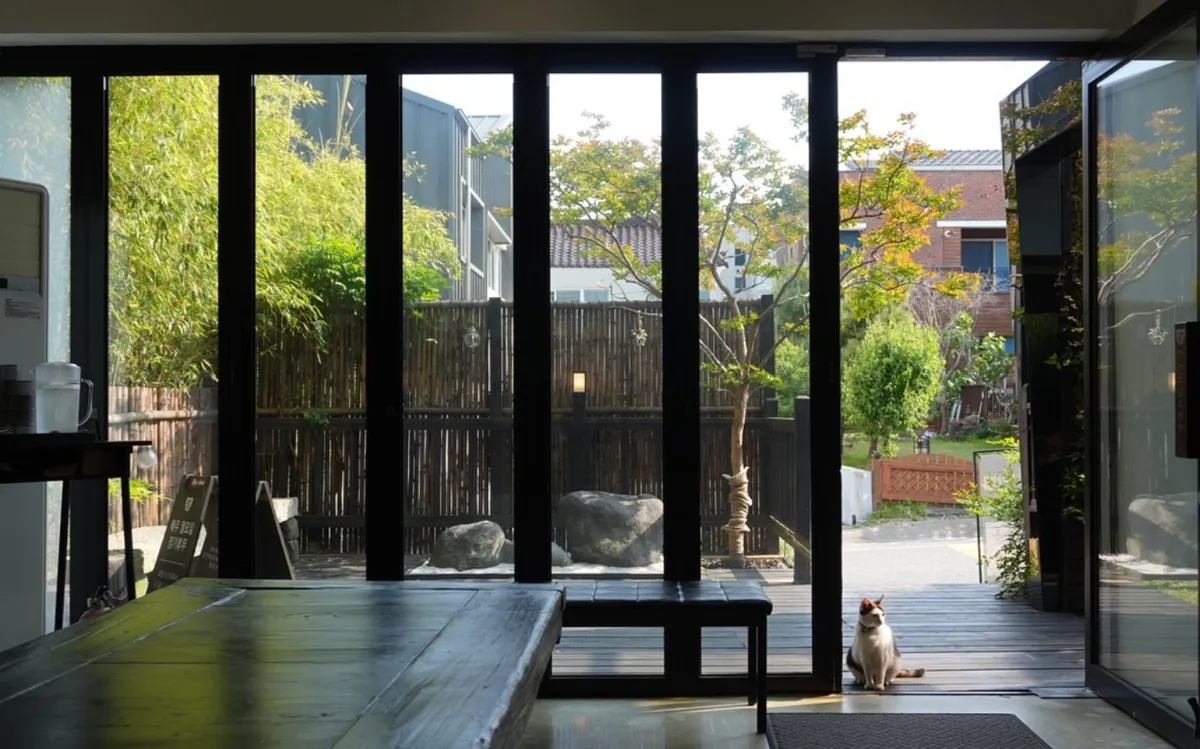
📍 Gijang-gun: 부산광역시 기장군 기장읍 당사로5길 6 — View on map →
Looks like a slice of nature from outside, but walk in and it feels closer to a tea-ware museum, with 1800s-era tea sets on display. Worth slowing down for if you’re into tea culture or antique objects.
Good for: travelers interested in traditional Korean tea ware and antique displays.
Bibibidang (비비비당)
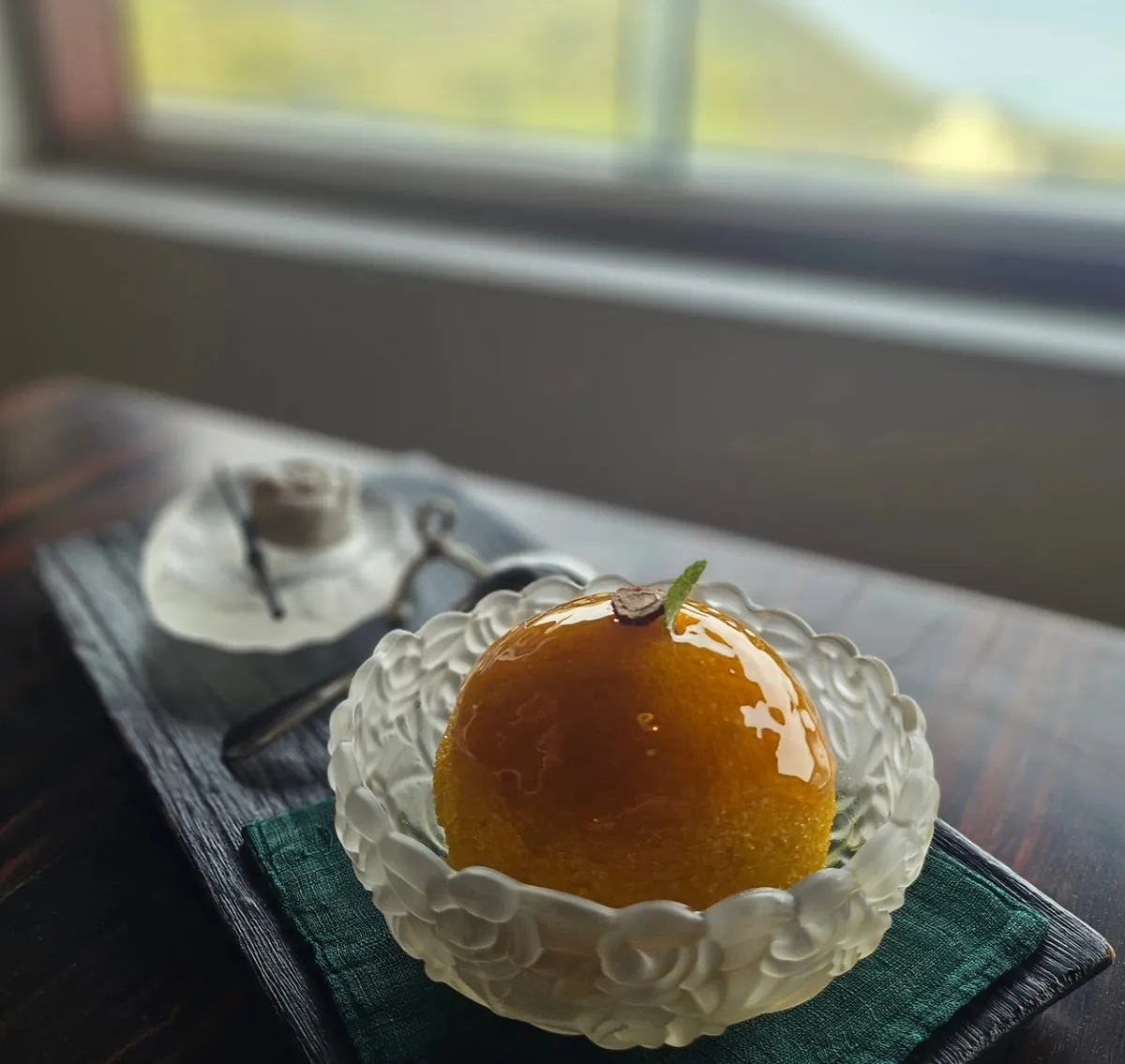
📍 Haeundae-gu: 부산광역시 해운대구 달맞이길 239-16 — View on map →
Ocean views paired with traditional tea and tea snacks — reportedly a 9-time Blue Ribbon Survey honoree, roughly Korea’s answer to a Michelin-style recognition. If it’s your first time with Korean tea service, ordering the set menu usually comes with a quick explanation from staff on how to pair the tea and snacks. Also a solid pick if you’re traveling with parents.
Good for: travelers bringing older family members, or wanting an actual traditional tea experience.
Dosol (도솔)
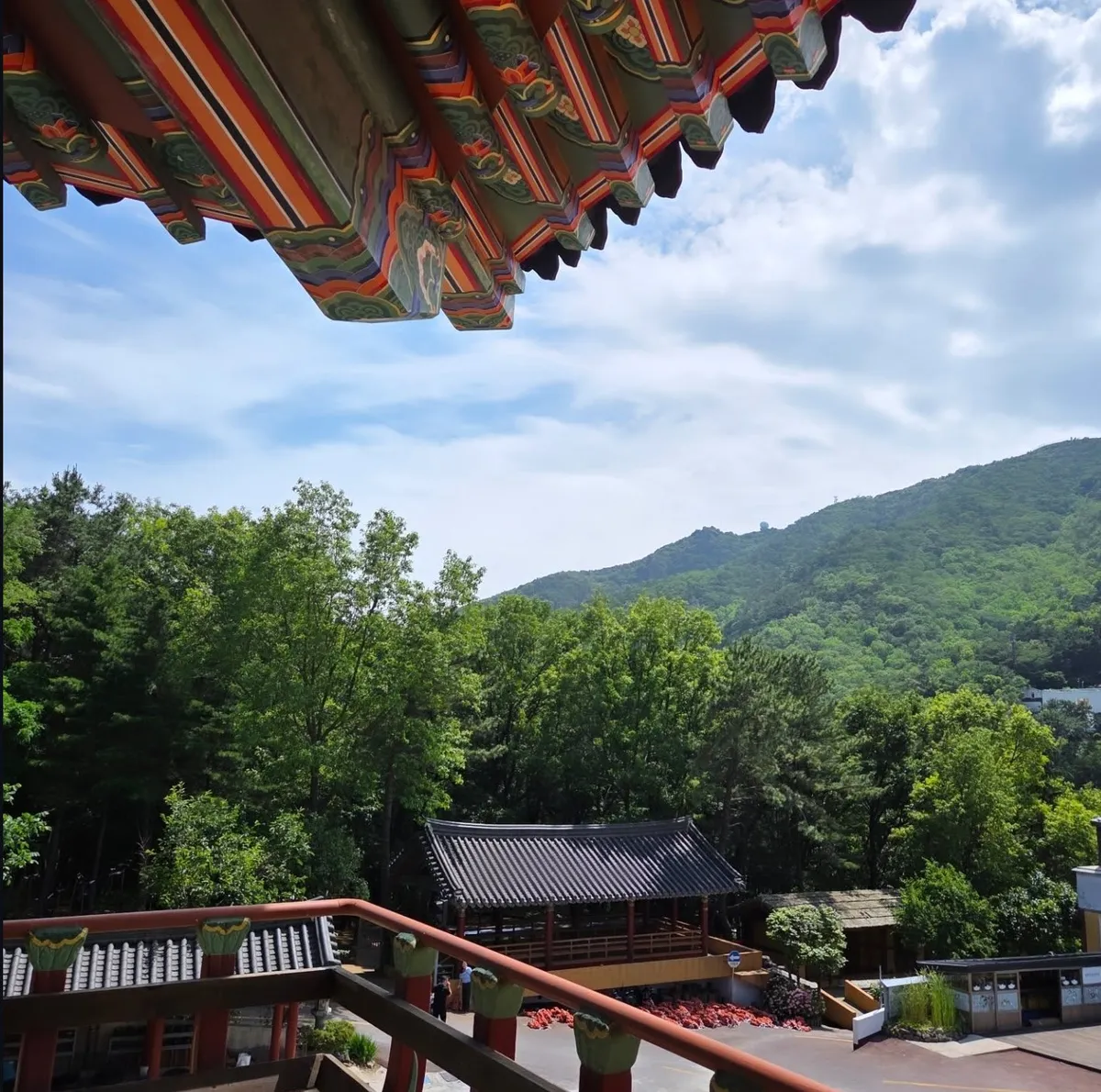
📍 Seo-gu: 부산광역시 서구 서대신동3가 6-1 (3F) — View on map →
Set inside a building that houses the Naewonjeongsa kindergarten, with a quiet, temple-like atmosphere that’s a departure from a typical café. Parking is available for up to 3 hours, which helps if you’re driving.
Good for: travelers driving themselves who want a temple-quiet space.
Common dessert/menu keywords across these six: mugwort bingsu, grilled rice cakes (injeolmi), yanggaeng, tea-and-snack sets, wagashi-style sweets, seasonal fruit parfait, traditional tea.
B. Colonial-Era Building Cafés (3) — Walkable from Busan Station
All three of these are converted from buildings constructed during Korea’s Japanese colonial period, not hanok — early 20th-century Western-influenced architecture rather than traditional Korean, worth knowing before you go in expecting a hanok. Below, the buildings’ architectural and historical background is described plainly, without romanticizing that period. All three are within walking distance of Busan Station, making them convenient for the first or last stretch of a trip.
Munhwa Gonggam Sujeong (문화공감수정)
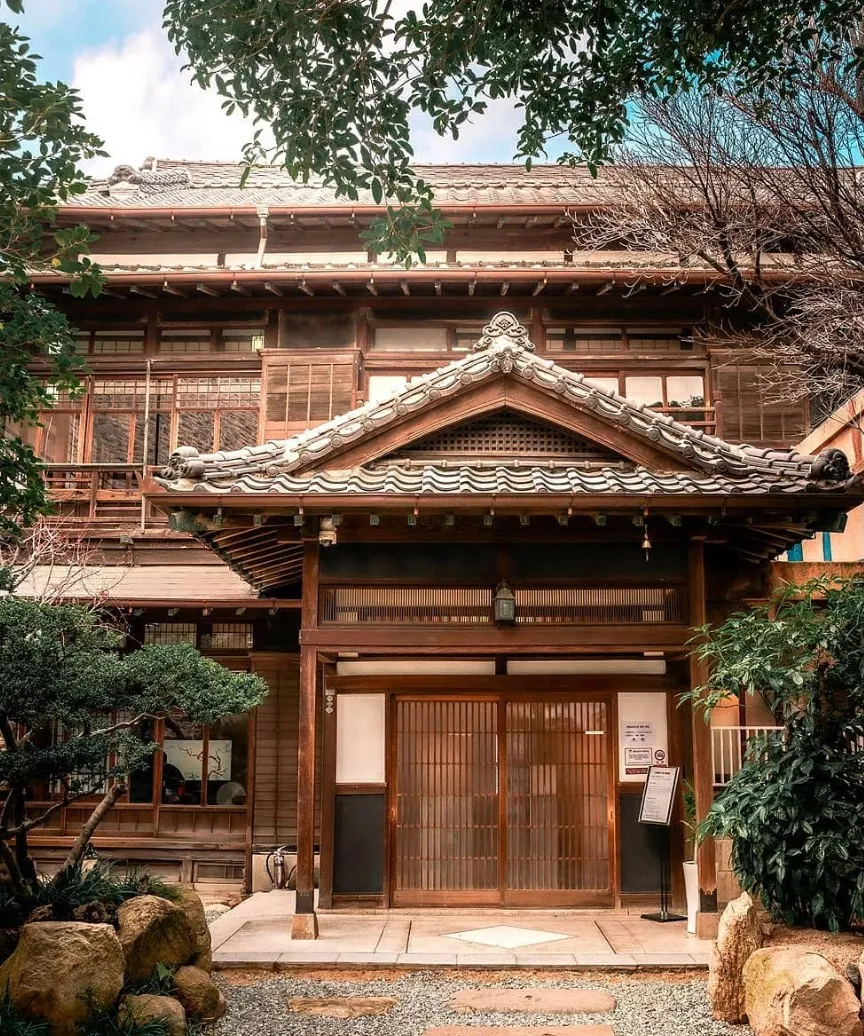
📍 Dong-gu: 부산광역시 동구 홍곡로 75 — View on map →
A Japanese-style house built during the colonial period, also known as a filming location for IU’s music video for “Through the Night” (밤편지) — worth knowing if you’re a K-pop fan. The space occasionally hosts traditional Korean performances like tosok folk songs and the Dongnae crane dance; worth checking ahead for what’s scheduled that week.
Good for: IU fans, or travelers hoping to catch a traditional performance on the side.
Brown Hands Baekje (브라운핸즈 백제)
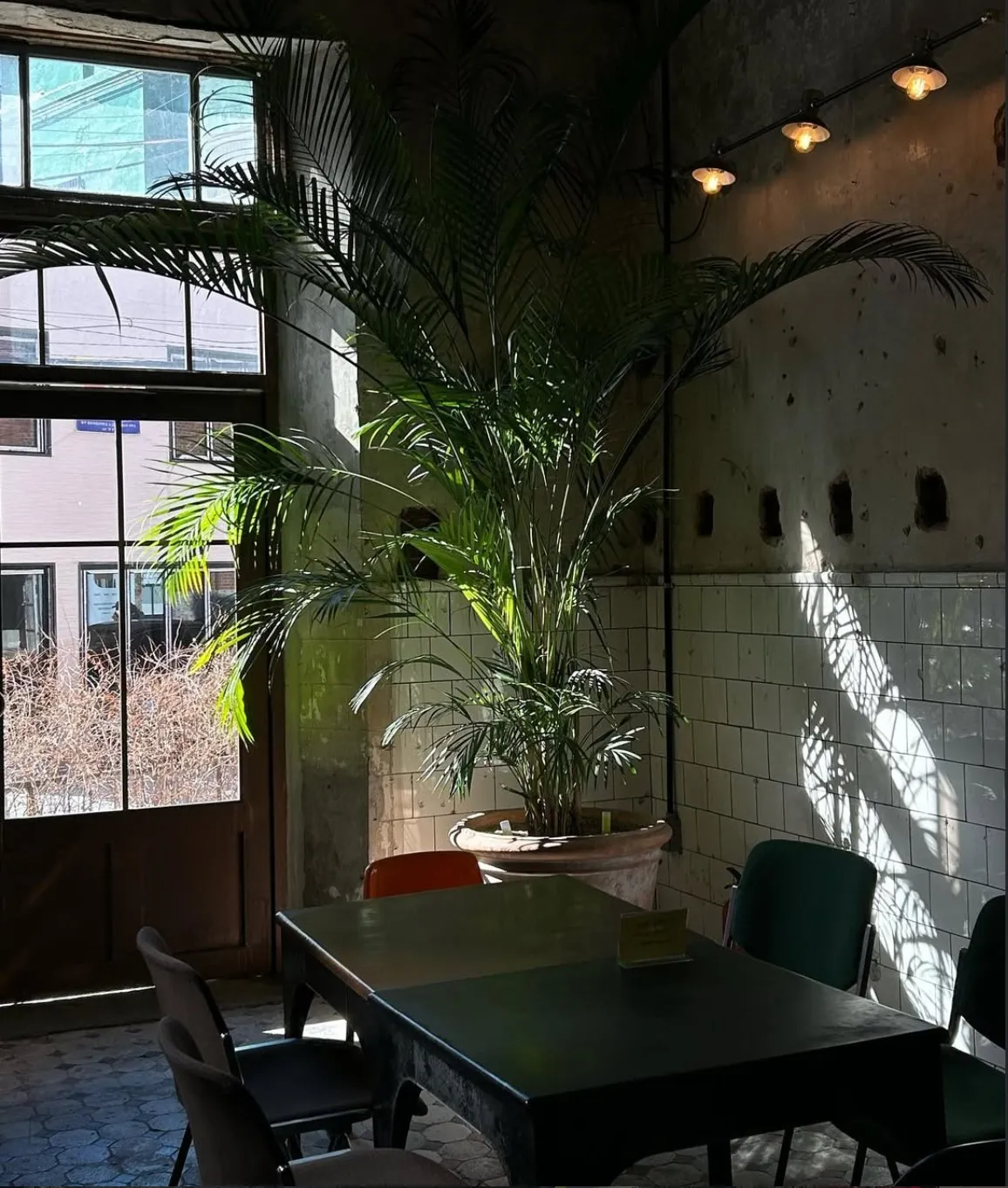
📍 Dong-gu: 부산광역시 동구 중앙대로209번길 16 (1F) — View on map →
Formerly Baekje Hospital, built in 1927 as Busan’s first privately run general hospital — the red-brick exterior and industrial-style interior still carry that history. It’s an easy walk from Busan Station, so it slots in well right after you arrive or right before you leave.
Good for: travelers with a short window right after arrival or before departure who like industrial-style architecture.
Chorang 1941 (초량1941)
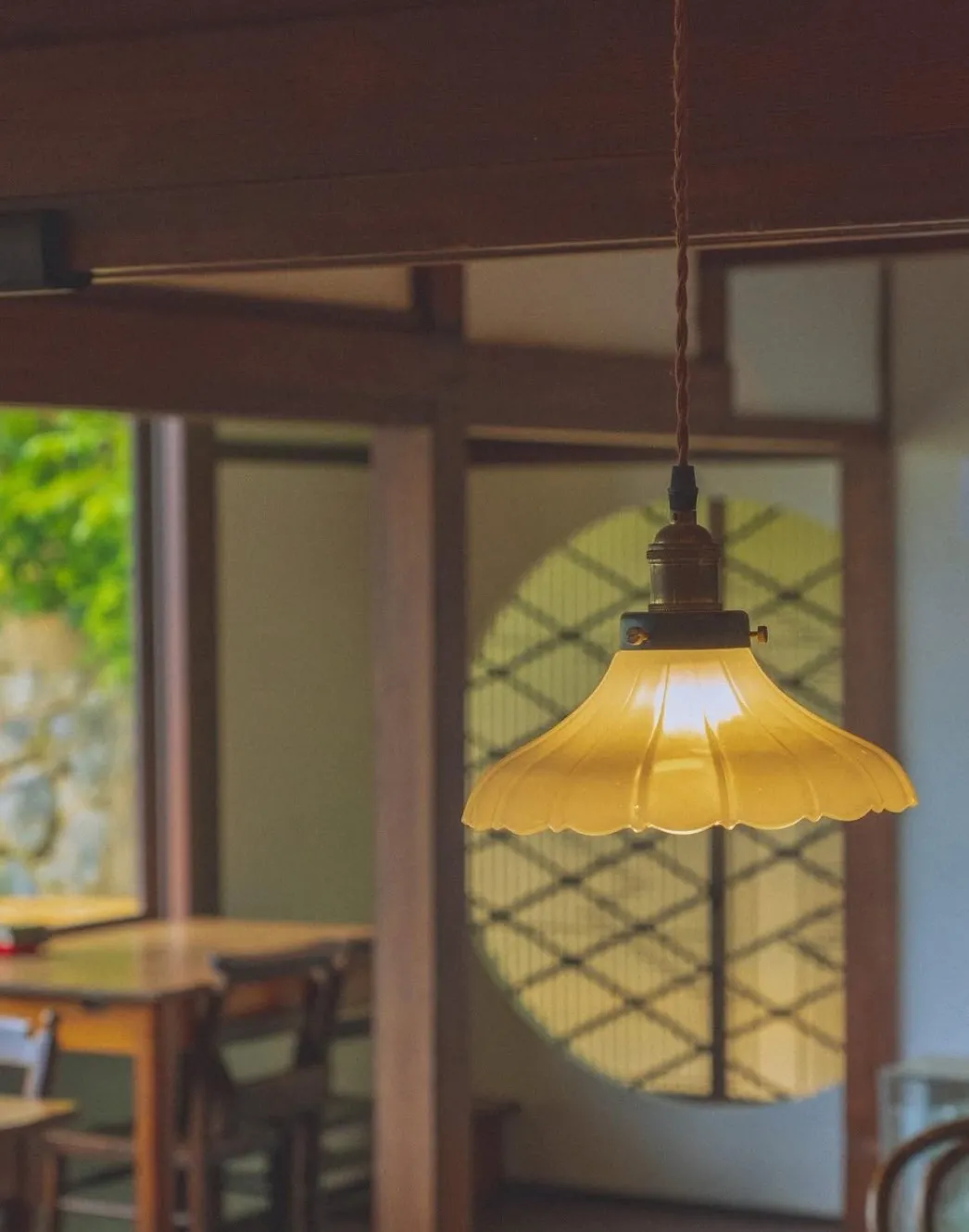
📍 Dong-gu: 부산광역시 동구 망양로 533-5 — View on map →
Sits at the top of Busan’s hillside Sanbokdoro neighborhood, reportedly a 4-time consecutive Blue Ribbon honoree. Signature items are bottled milk, steamed buns, tamago sando, and parfait — a solid afternoon-tea stop. The climb up takes some effort, but the view is the payoff.
Good for: travelers willing to climb for a view, in the mood for a retro Korean-style afternoon tea.
Before You Go
Gojae and Bibibidang in Haeundae-gu fit naturally into our Haeundae area guide; Daegama in Gijang-gun fits the Gijang area guide. Gangseo-gu, Seo-gu, and Dong-gu don’t have standalone area guides yet, so for now, slot those cafés into our Busan café photo tour or Busan 3-Night, 4-Day Classic Itinerary wherever there’s a free window.
Looking for a place to stay nearby? Check our hotel guides for the matching area.
Frequently Asked Questions
Do these cafés need reservations?
Most are walk-in, but expect a wait during peak hours, especially weekend afternoons. Check each café's Instagram or Google Maps listing for current policy.
Are all 9 cafés close together?
No — they're spread out. Anggo Gotaek and Daon Naru are in Gangseo-gu, Gojae and Bibibidang in Haeundae-gu, Daegama in Gijang-gun, Dosol in Seo-gu, and Munhwa Gonggam Sujeong, Brown Hands Baekje, and Chorang 1941 are all in Dong-gu, walkable from Busan Station. Pick whichever fit your route rather than trying to hit all 9 in one day.
💰 Check before you book
Before you go, check the latest KKday discount codes — one code can shave a meaningful amount off your booking.
See the latest discount codes →💡 Some links on this page are affiliate links. If you complete a booking through them, we may earn a commission at no extra cost to you. Affiliate Disclosure